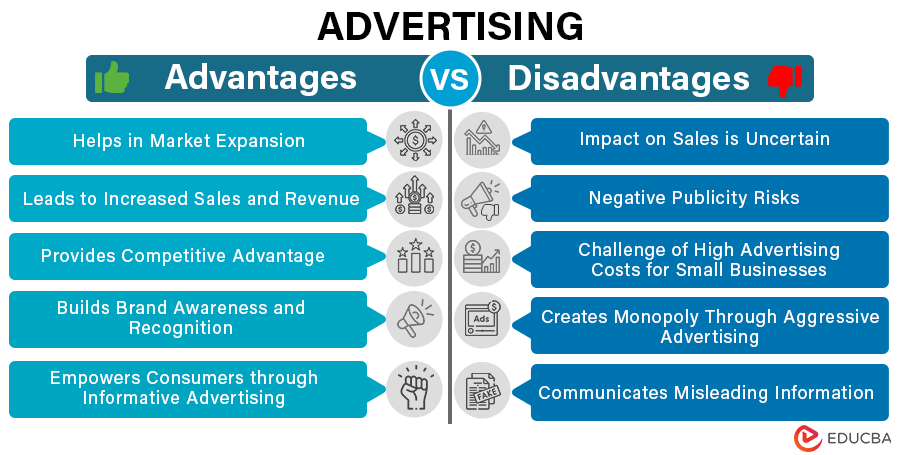
In today’s crowded marketplace, advertising is both a lifeline and a minefield. While creative campaigns can skyrocket brand awareness, missteps can squander budgets and erode credibility. Below, we break down the most compelling advantages of advertising, spotlight the frequent mistakes that undermine effectiveness, and suggest smarter alternatives to keep your messaging sharp and impactful.
Why Advertisers Still Bet Big on Traditional Media
Despite the rise of digital channels, traditional advertising—print, radio, television, and outdoor—remains a powerful force. Its reach is broad, and credibility is often perceived as higher than many online formats. For businesses targeting older demographics or seeking high‑trust placements, the advantage is clear: a well‑executed billboard or magazine ad can command attention that fleeting social media posts simply can’t match.
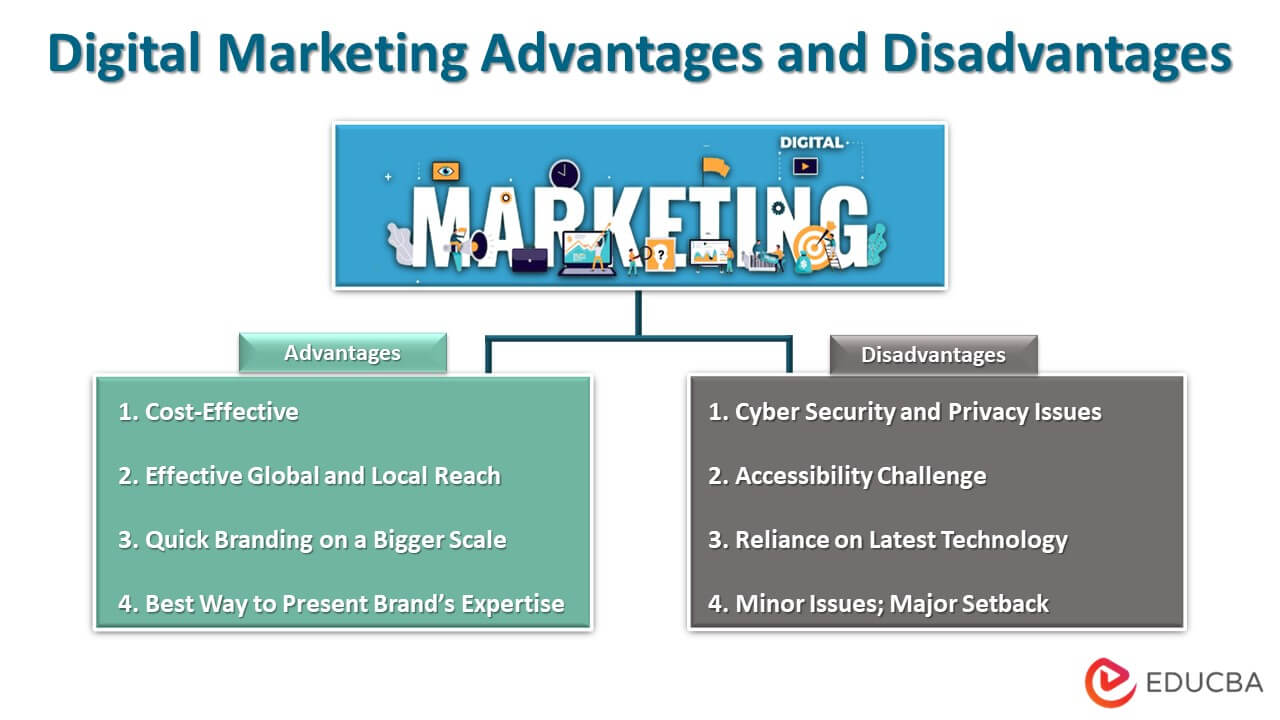
Digital’s Data‑Driven Edge
Digital platforms bring precision, measurement, and rapid iteration. With tools like Google Ads and Facebook’s ad manager, marketers can target by interests, behaviors, or even life events. Real‑time analytics let teams pause underperforming creatives and reallocate spend to campaigns that deliver the best return on ad spend (ROAS). This agility is a game‑changer for startups and large brands alike.
Cross‑Channel Synergy Boosts Recall
When a brand’s message appears on multiple fronts—TV, social, and in‑store displays—the combined impact is more than additive. Consistent storytelling across touchpoints reinforces brand identity and improves recall. However, failure to maintain alignment can dilute messaging. The key is to develop a unified creative brief that informs every channel’s design.
Common Pitfalls That Drain Budgets
- Over‑Segmenting: While niche targeting is valuable, breaking audiences into too many micro‑segments can spread budget thin and reduce statistical significance.
- Ignoring Mobile: A rising share of traffic—and sales—occurs on smartphones. Ads that aren’t optimized for mobile screens lose clicks and conversions.
- Neglecting Creative Refresh: Stale creatives lead to ad fatigue. Refresh visuals and copy every 4–6 weeks to keep engagement high.
- Underestimating Attribution: Relying solely on last‑click attribution undervalues touchpoints that influence early-stage awareness. Employ multi‑touch models for a fuller view.
- Misreading Audience Data: Numbers can be misleading without context. Always pair data with qualitative insights—focus groups, surveys—to avoid chasing the wrong metrics.
Smart Alternatives to Traditional Ad Spend
For brands looking to stretch every dollar, consider the following complementary tactics:
- Content Marketing: Long‑form blog posts, e‑books, and industry reports attract organic traffic and position your brand as a thought leader.
- Influencer Partnerships: Micro‑influencers often have higher engagement rates and can deliver authentic endorsements at lower costs.
- Email Automation: Targeted sequences nurture leads with personalized messaging, driving conversions without the premium of paid media.
- Community Building: User‑generated content and brand‑owned forums encourage loyalty and provide social proof that paid ads can’t manufacture.
- Programmatic Optimization: Automated bidding algorithms can reduce wasted spend by continuously adjusting bids for the most valuable impressions.
Measuring Success Without Overpromising
Metrics should tell a coherent story, not just flashy numbers. Start with core KPIs—impressions, click‑through rates (CTR), conversions, and ROAS—and supplement them with brand lift studies to capture intangible gains like awareness and sentiment. Always contextualize data against industry benchmarks, not just internal goals.
Conclusion: Balance, Adapt, and Evolve
Advertising’s advantages are unmistakable, from broad reach to granular targeting. Yet, the same tools that empower brands can also backfire if wielded without strategy. By recognizing common missteps, embracing smarter alternatives, and measuring outcomes thoughtfully, marketers can turn ad spend into a reliable engine for growth.
What Is DMP? What Are The Advantages And Disadvantages? Points To Note
What is DMP? What are the advantages and disadvantages? Points to note ...
What Are The Advantages Of E Commerce
What Are The Advantages Of E Commerce
Advantages And Disadvantages Of Playing Outdoor Games At Andrew Corby Blog
Advantages And Disadvantages Of Playing Outdoor Games at Andrew Corby blog
What Are The Advantages And Disadvantages Of Partitioning My Drives – YLEAV

What Are The Advantages And Disadvantages Of Partitioning My Drives – YLEAV