Fortnite’s ever‑expanding skin roster continues to shape the game’s visual identity, with new outfits dropping each season and community creators pushing design boundaries. Recent releases showcase a blend of high‑detail 3‑D models and vibrant, pop‑culture‑inspired concepts that keep players engaged and marketplaces bustling.
From Battle Pass to Boutique: How the Skin Landscape Has Shifted
The shift from simple, flat textures to richly animated 3‑D skins marks a pivotal evolution. Early skins were primarily 2‑D sprites, but today’s offerings feature dynamic materials, particle effects, and customizable color palettes. This transition mirrors broader industry trends where visual fidelity drives both player satisfaction and secondary revenue streams.
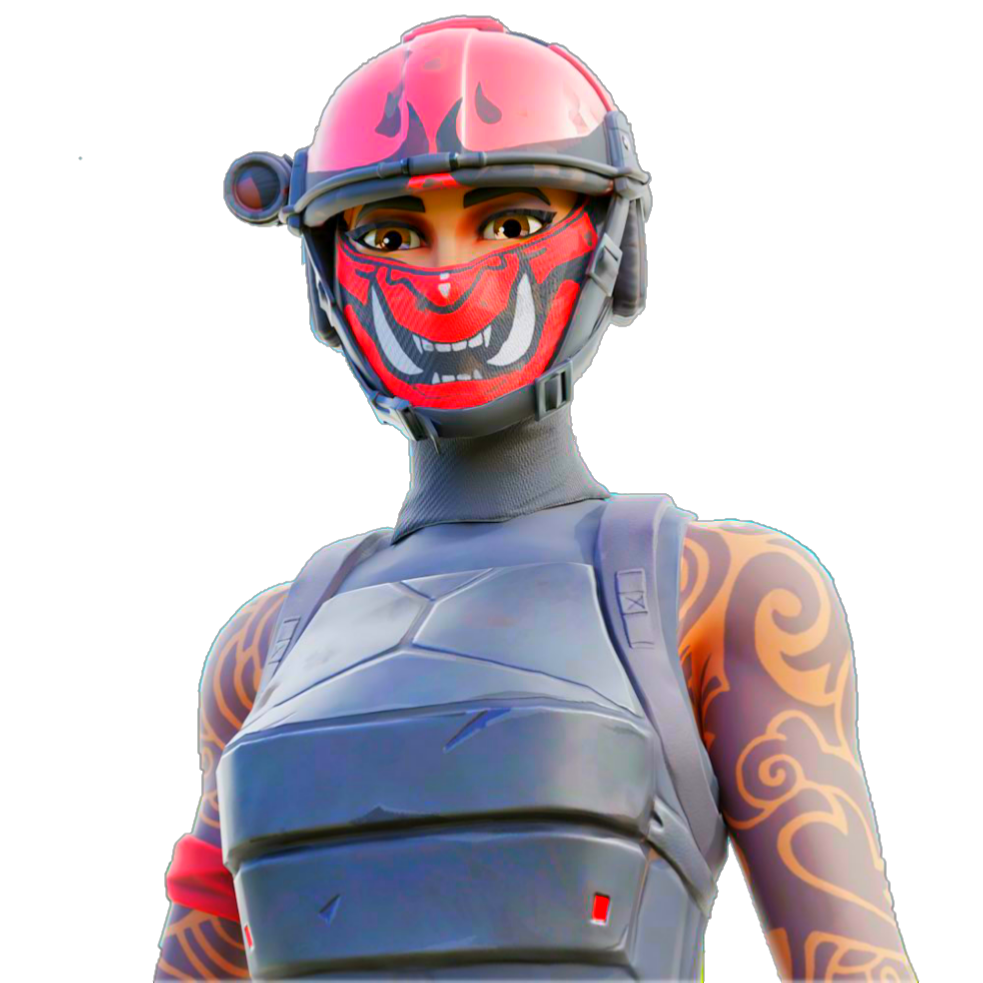
Season‑long Battle Passes now act as launchpads for thematic collections, while the in‑game Boutique provides a permanent storefront for timeless or limited‑time designs. The dual pipeline ensures a steady influx of fresh content while preserving fan‑favorite classics for resale.
Key Skin Categories and What Makes Them Stand Out
Detail‑oriented researchers notice recurring motifs across the most popular skin groups. Below is a compact breakdown:
- Legendary Icons – Rare, highly detailed outfits often tied to major collaborations (e.g., Marvel, Star Wars). These skins boast exclusive emotes and back‑blings, driving high resale value.
- Seasonal Themes – Skins that reflect current events or holidays, such as Halloween’s “Spooky Scarecrow” or summer’s “Solar Surf”. They typically incorporate limited‑time visual effects like glowing eyes or animated accessories.
- Creator‑Driven Designs – Community creators submit concepts through Epic’s Support‑a‑Creator program. Successful entries receive a revenue share and often introduce unconventional aesthetics, such as cyber‑punk neon or retro 8‑bit styles.
- Utility‑Focused Outfits – Some skins integrate functional elements, like built‑in gliders or enhanced visibility in low‑light zones, providing subtle gameplay advantages.
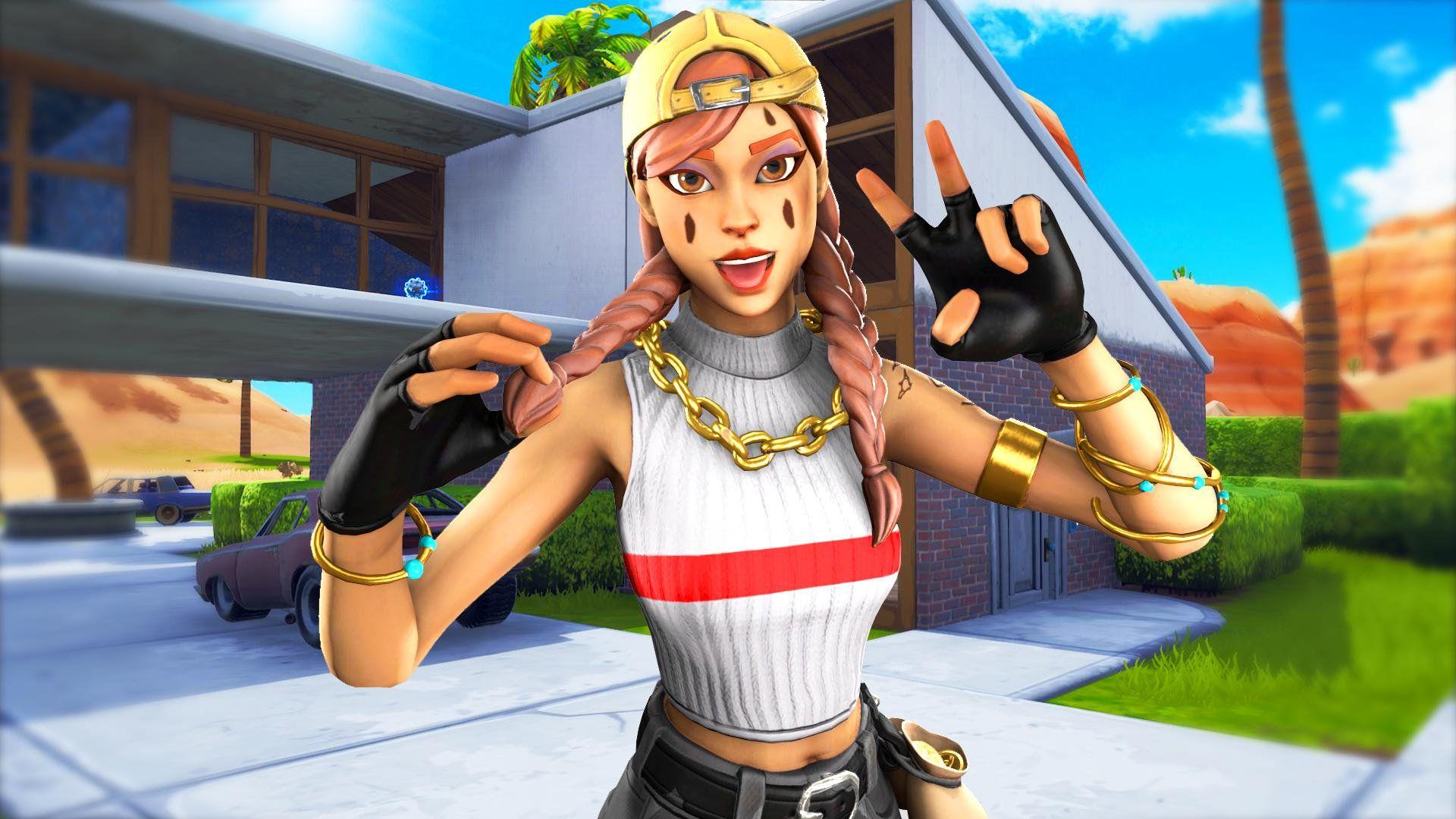
Each category serves distinct player motivations: status signaling, seasonal immersion, creative expression, or tactical edge. Researchers tracking sales data see spikes whenever a new legendary icon lands, while creator‑driven releases often generate community buzz measured by social‑media mentions.
Implications for Players, Developers, and the Marketplace
For players, the diversification of skin options translates to more personalized avatars, which can enhance in‑game social dynamics and foster a sense of ownership. Developers benefit from a robust revenue model; skins generate consistent micro‑transactions without altering core gameplay balance.
Marketplace analysts note that the resale value of legendary skins can rival traditional collectibles, prompting discussions about digital asset ownership and potential integration with blockchain‑based verification in the future. Meanwhile, the creator program incentivizes grassroots innovation, expanding Fortnite’s aesthetic vocabulary beyond the internal design team.
Looking ahead, the convergence of high‑definition 3‑D rendering and community‑sourced concepts suggests a future where skins become not just cosmetic upgrades but collaborative art pieces, blurring the line between player and developer contributions.
[100+] Fortnite Thumbnail Wallpapers | Wallpapers.com
![[100+] Fortnite Thumbnail Wallpapers | Wallpapers.com](https://wallpapers.com/images/hd/fortnite-thumbnail-manic-skin-0yan9cgw7sn2w7kk.jpg)
[100+] Fortnite Thumbnail Wallpapers | Wallpapers.com
Fortnite Skin Thumbnail Battle Transparent Images
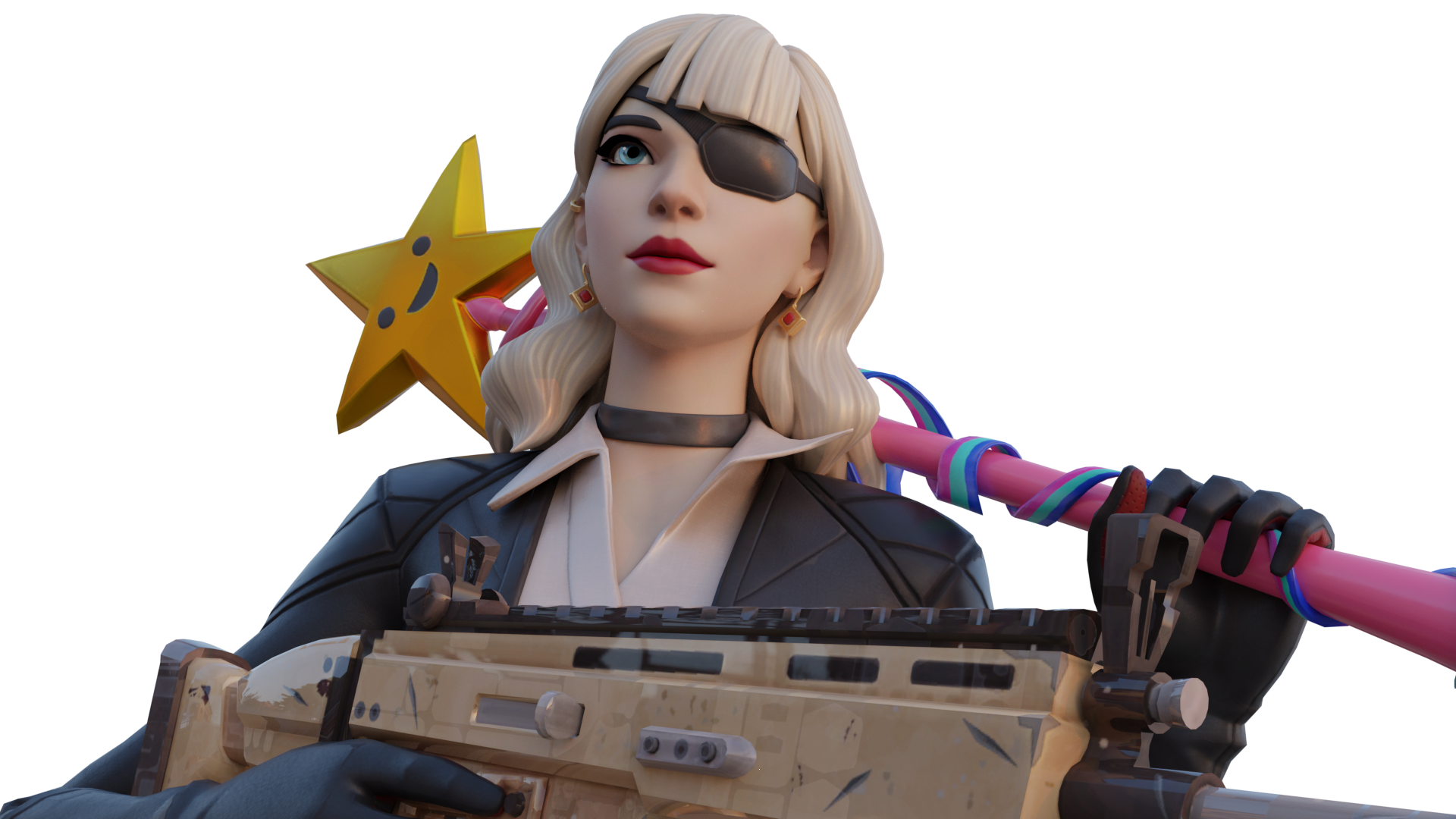
Fortnite Skin Thumbnail Battle Transparent Images
Fortnite Skin Thumbnail Battle PNG Photo
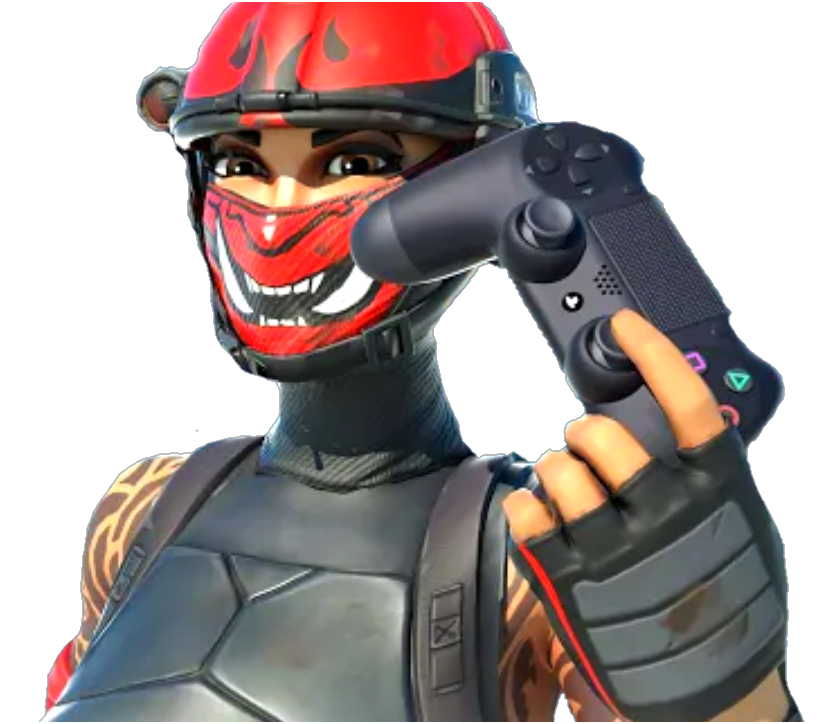
Fortnite Skin Thumbnail Battle PNG Photo