That blue-gray puff from your oil filler cap, the unexplained rise in oil consumption, or the hazy exhaust on a cold morning—these are telltale signs that blow-by gases are escaping past your piston rings and into the crankcase. Understanding what blow-by actually is can save you from costly engine damage down the road and help you make smarter maintenance decisions.

What Exactly Happens During Blow-By
Every internal combustion engine faces a fundamental engineering challenge: sealing the combustion chamber. When the piston compresses the air-fuel mixture and the spark plug ignites it, enormous pressure builds up. Despite the tight seal provided by piston rings, some of this high-pressure combustion gas inevitably slips past the rings into the crankcase below. This phenomenon—blow-by—carries a cocktail of partially burned fuel, exhaust gases, water vapor, and oil mist into a space that was never designed to handle them.
In a new engine with properly seated rings, blow-by is minimal and manageable. The crankcase ventilation system (PCV) routes these gases back into the intake for re-burning. But as engines age and wear sets in, the gap between rings and cylinder walls grows, and blow-by increases significantly.
Why Blow-By Matters for Your Wallet
Increased blow-by directly accelerates oil consumption. The escaping gases strip oil from the cylinder walls and carry it into the crankcase as a fine mist, where it gets burned and expelled. Over time, this means you're adding oil more frequently—and in severe cases, the contamination degrades the oil's protective properties before its scheduled change interval.
Beyond oil costs, blow-by gases introduce moisture and acidic compounds into your lubricant. Water vapor from combustion condenses in the crankcase, especially during short trips where the engine doesn't reach full operating temperature. This moisture promotes sludge formation and corrosion, potentially shortening engine life by years.
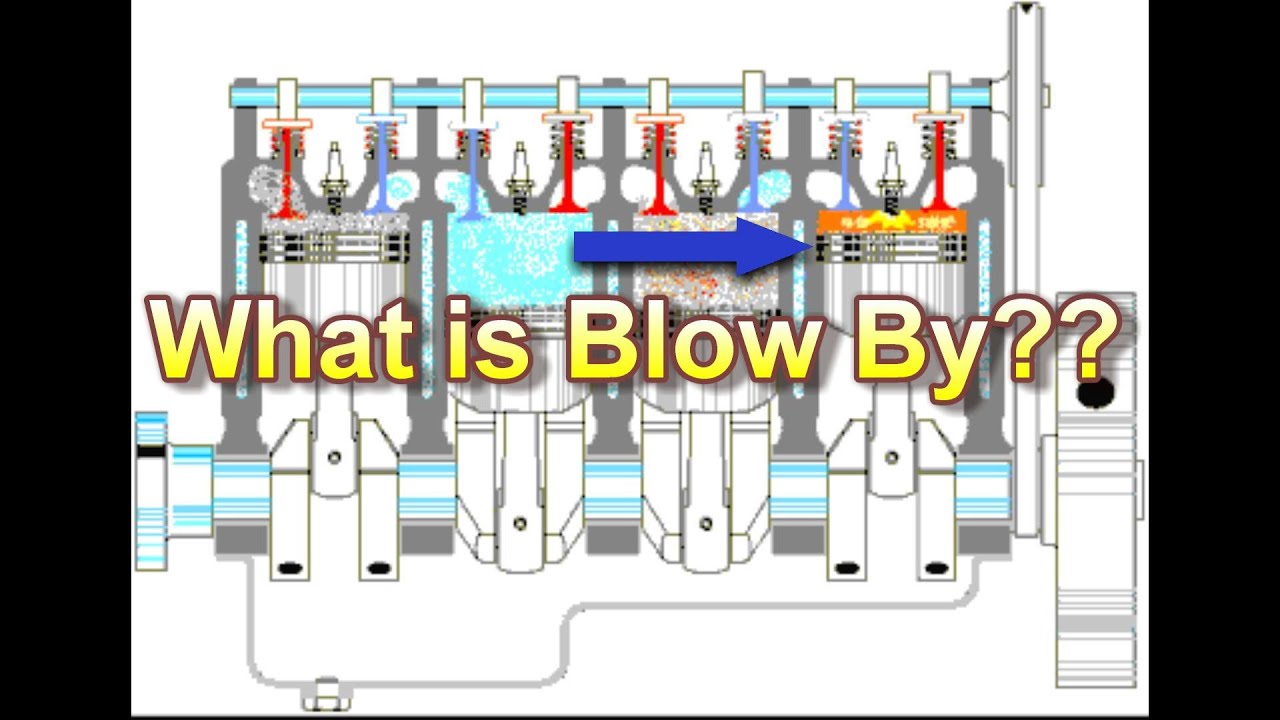
Recognizing the Warning Signs
You don't need diagnostic equipment to spot early blow-by problems. Open the oil filler cap while the engine idles—if you see significant smoke or feel strong pressure pushing back, that's a clear indicator. Rising oil consumption without visible leaks points inward. A persistent sweet smell of unburned fuel near the engine bay, or coolant contamination in your oil, may suggest more serious ring or liner damage.
Practical Steps to Address Blow-By
Start with prevention: maintain proper oil levels and change intervals using the manufacturer-recommended viscosity. Quality oil contains detergents that keep ring grooves clean and help maintain a proper seal. Address any cooling system issues promptly—overheating accelerates ring wear dramatically.
For engines showing moderate blow-by, a high-quality oil additive designed to condition seals and rings may slow the progression temporarily. However, this is a stopgap, not a cure. Severe blow-by—indicated by heavy smoke from the filler cap, rapid oil loss, or contaminated oil—ultimately requires ring replacement or cylinder reboring.
The key takeaway: blow-by is a natural engine process that becomes a costly problem only when ignored. Catching it early through regular observation and prompt maintenance keeps repair bills manageable and extends your engine's productive life. Pay attention to what your engine is telling you—before it tells you in repair shop invoices.
What Is Blow By On An Engine
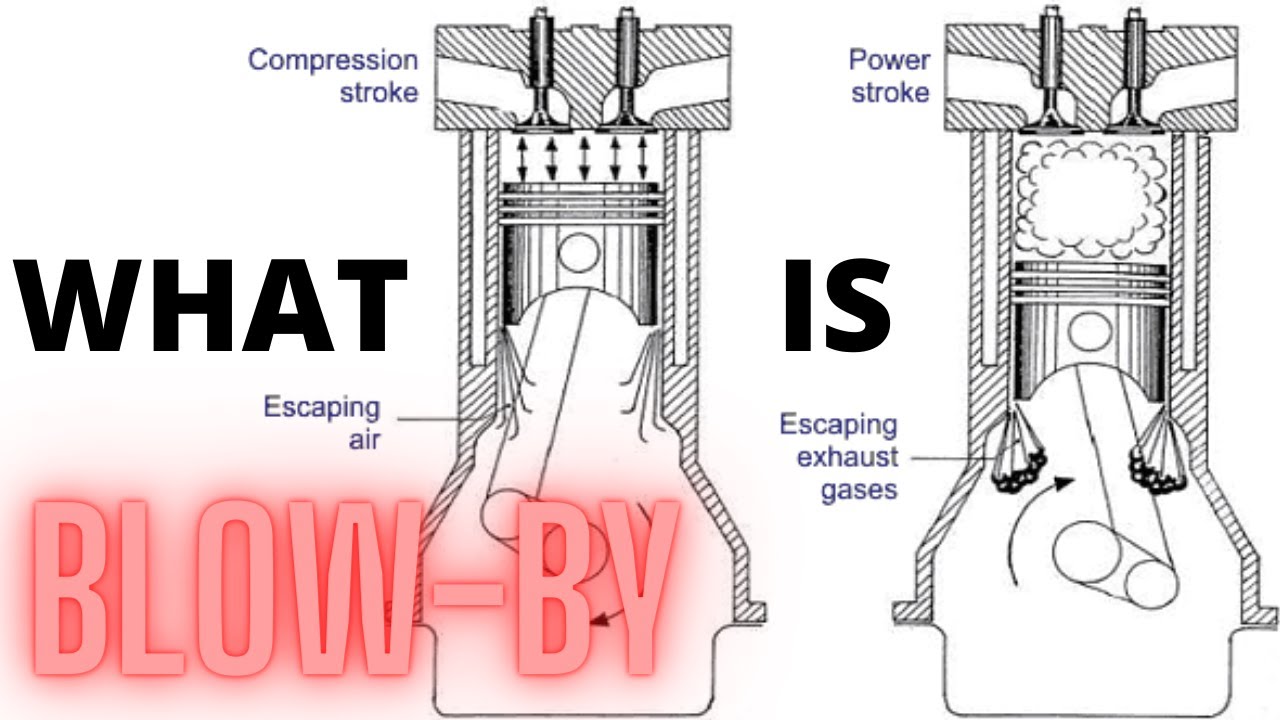
What Is Blow By On An Engine
Blow-By
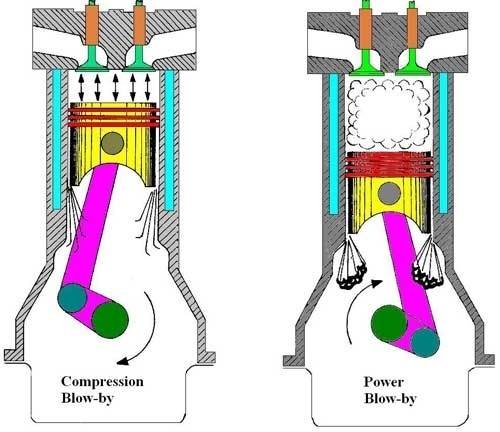
Blow-By
What Is Diesel Blow By? - Causes, Signs, & Fixes | Rx Mechanic

What is Diesel Blow By? - Causes, Signs, & Fixes | Rx Mechanic